
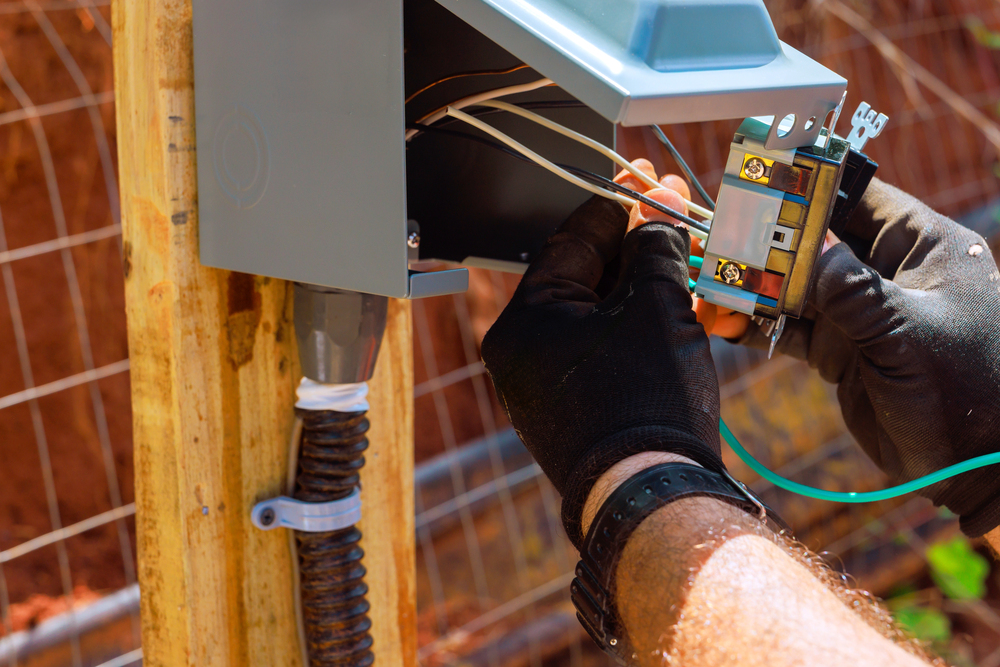
When homeowners ask us about indoor vs outdoor wiring differences, we often find they’re surprised by how much goes into choosing the right materials, meeting safety requirements, and planning for long-term performance. While wiring may look similar on the surface, indoor and outdoor electrical systems are designed for very different environments—and using the wrong one can lead to safety hazards, code violations, and costly repairs.
If you’re planning a new wiring installation or upgrade, we’re here to help. Call Ogburn Electric Company at 336-924-5166 to speak with a licensed electrician who can guide you through your options and ensure everything is installed safely and correctly.
What We Mean by Indoor Wiring
Indoor wiring is designed specifically for protected, climate-controlled environments inside your home. We commonly install residential indoor electrical wiring installation for lighting, outlets, switches, appliances, and smart home features.
Because indoor wiring isn’t exposed to moisture, sunlight, or temperature extremes, it typically uses standard insulation and does not require the same level of protection as outdoor systems. However, safety is still critical. Modern indoor wiring must meet current electrical codes, support today’s power demands, and include proper circuit protection to keep your home safe.
What Makes Outdoor Wiring Different
Outdoor wiring faces a completely different set of challenges. It must withstand rain, humidity, heat, cold, and UV exposure. That’s why we use weather-resistant electrical wiring that’s specifically rated for outdoor use.
Outdoor systems often power landscape lighting, security lights, garages, sheds, or patios. In many cases, wiring must be buried underground or run through conduit, and installations must meet strict outdoor electrical wiring safety requirements to protect against moisture and electrical shock. These additional precautions are essential for durability and safety.
Key Differences Between Indoor and Outdoor Wiring
While both systems deliver power safely when installed correctly, they are built for very different conditions. Understanding these distinctions helps homeowners make informed decisions and avoid costly or dangerous mistakes.
Materials Matter
One of the biggest indoor wiring materials vs outdoor wiring materials differences is insulation. Outdoor wiring features thicker, more durable insulation designed to resist water and sunlight, while indoor wiring is lighter and intended for dry conditions.
Safety Standards
Outdoor wiring requires additional safeguards, including GFCI protection, proper grounding, and secure enclosures. These outdoor electrical wiring safety requirements are designed to reduce the risk of shock and fire in wet or exposed areas.
Environmental Exposure
We always consider outdoor wiring environmental considerations such as soil conditions, moisture levels, and temperature changes. Indoor wiring simply doesn’t need to account for these factors, which is why it should never be used outdoors.
Cost Comparisons: Indoor vs Outdoor Wiring Installation
Many homeowners ask about the cost of indoor vs outdoor wiring installation, and the answer depends on several factors. Outdoor wiring typically costs more due to specialized materials, additional labor, trenching, conduit, and inspection requirements.
While indoor wiring projects are often more straightforward, both types of installations benefit from careful planning. Investing in the correct materials and professional installation upfront helps prevent future repairs and safety issues.
Planning Tips for Successful Wiring Projects
Smart planning indoor and outdoor electrical projects can save time and money. We always recommend thinking ahead—especially during remodels or new construction—to accommodate future needs like outdoor lighting, electric vehicle chargers, or home office upgrades.
Asking the right questions and working with a licensed electrician ensures your wiring system is safe, efficient, and built to last.
Why Choose Ogburn Electric Company?
We take pride in providing dependable, professional electrical services to homeowners throughout our community. Our team is experienced in both indoor and outdoor wiring installations, and we stay up to date on the latest codes and safety standards.
When you work with us, you can expect:
- Skilled, licensed electricians
- High-quality materials and workmanship
- Clear communication and honest recommendations
- A strong focus on safety and long-term reliability
We treat every project like it’s our own home.
Why Indoor vs Outdoor Wiring Differences Matter
Understanding indoor vs outdoor wiring differences is essential for protecting your home, your family, and your investment. From material selection and safety standards to environmental exposure and cost considerations, each type of wiring serves a specific purpose—and using the right one makes all the difference.
If you’re considering a wiring upgrade or new installation, we’re ready to help. Call Ogburn Electric Company at 336-924-5166 to schedule a consultation and make sure your indoor and outdoor electrical systems are safe, efficient, and built to last.
Follow us on Facebook and Instagram for the latest electrical tips and information.